
· Williams Digger Services
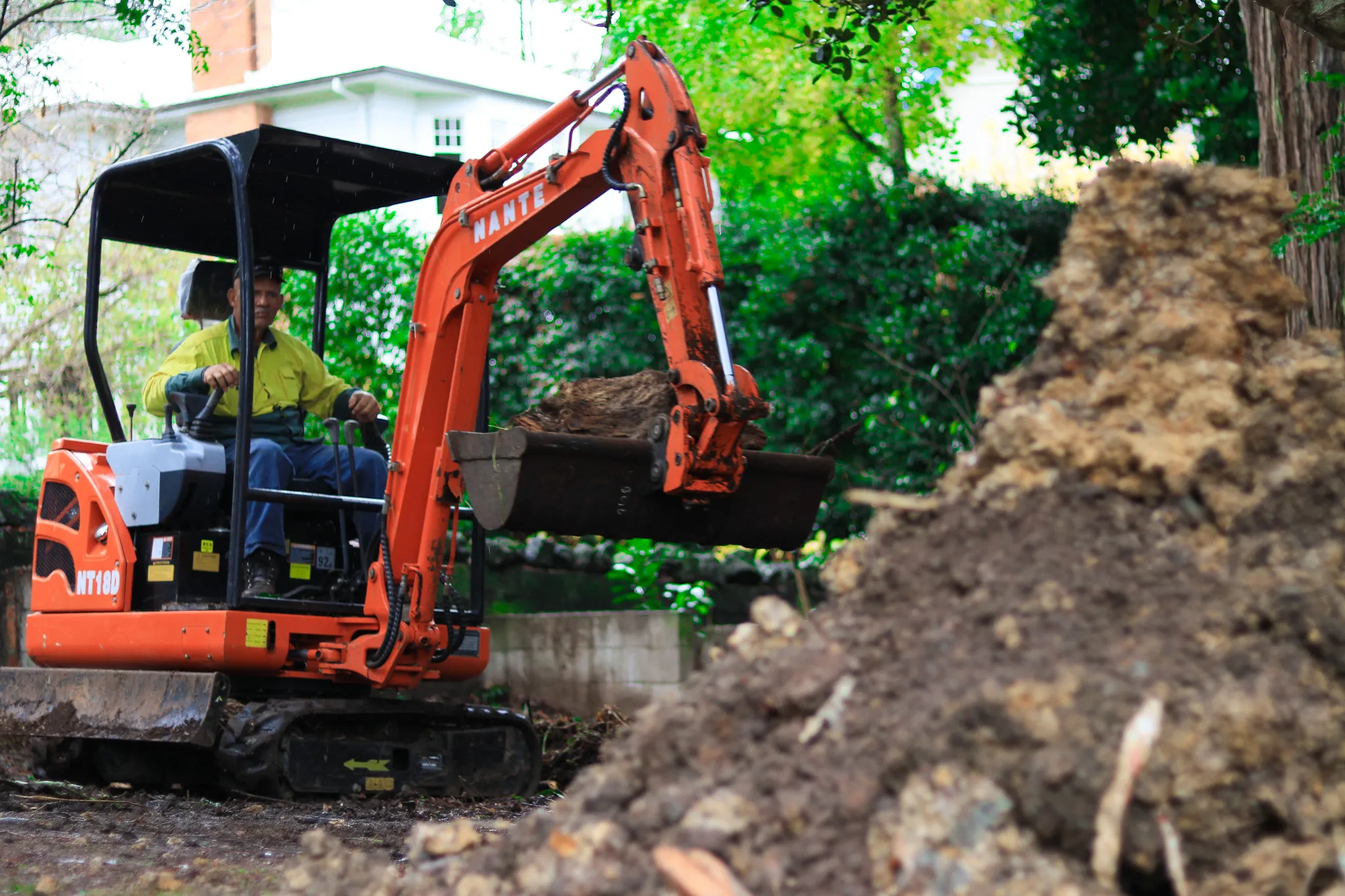
Getting your section ready before the digger arrives makes the job smoother, faster and safer for everyone. This guide covers the practical steps to take so our operator can start work without delay and finish with the result you need.
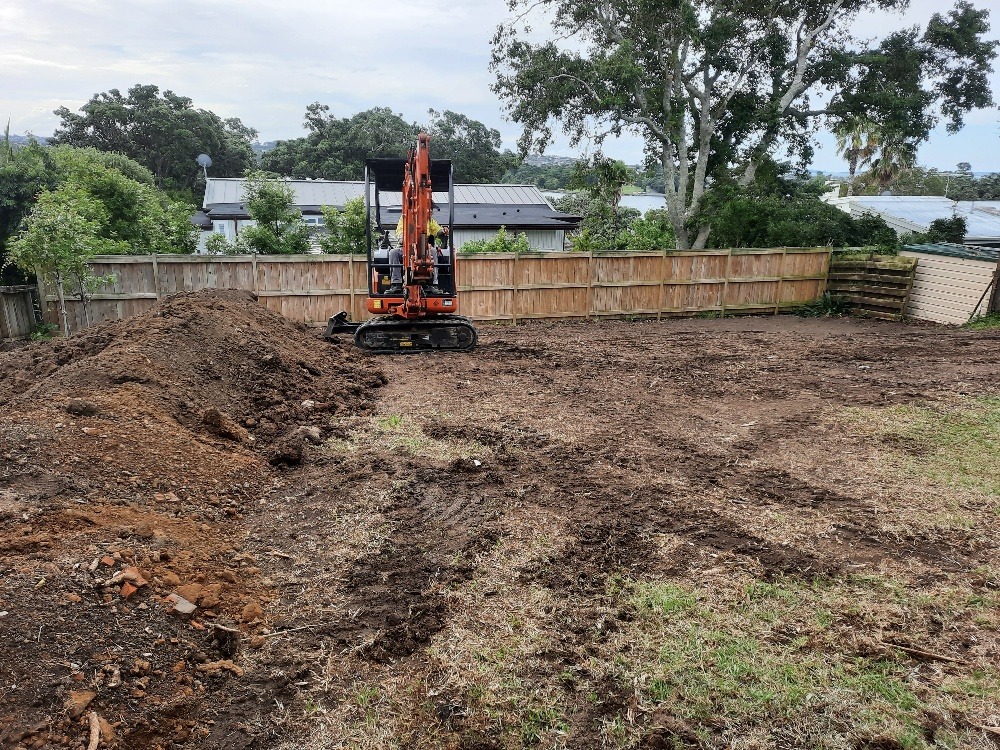
Clear the access path and remove obstacles
The digger needs a clear route from the road to your work area. Walk the path you expect the machine to take and remove anything in the way: parked cars, trailers, garden hoses, low-hanging branches, bins and garden stakes.
Check gate widths and any tight corners. If access is narrow or awkward, let us know when you call for a quote—we’ll factor that into our approach. Move vehicles to a safe spot well away from the work zone. Park in a carport or garage if you have one. Remove garden furniture, pots, ornaments and anything breakable to a safe distance. Even small items can be damaged by vibration or flying soil, and clutter slows the operator down.
Tell the operator about underground services
Before any digging starts, let the operator know about any underground pipes, cables or services you’re aware of—water mains, gas lines, power cables, drainage or septic systems.
If you’re not sure what’s buried on your section, request plans from Before You Dig at beforeudig.co.nz, the free national service that shows where underground services run. Share those plans with the operator before work starts. Also check with Auckland Council before excavation starts to confirm whether any consents or permits are needed for your work.
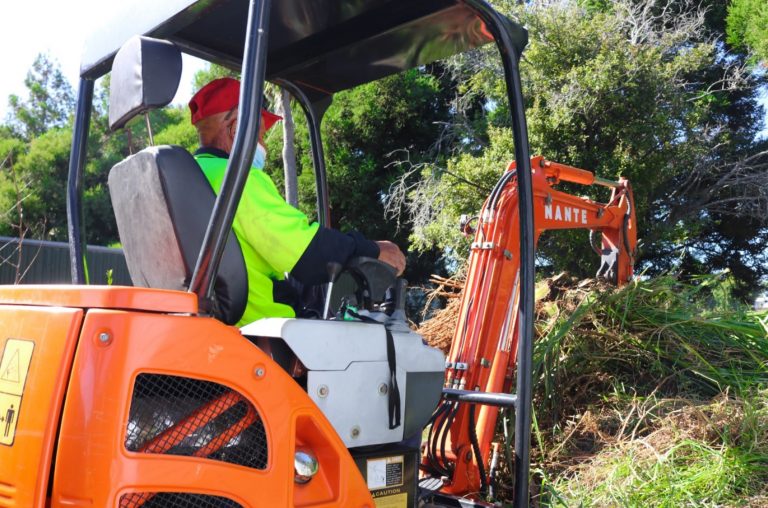
Decide where soil and debris will go
Before the digger arrives, decide what happens to the soil, rubble or other material being removed. Will it stay on site in a pile for later use? Does it need to be taken away? Is there a specific spot where it should be stockpiled?
Tell the operator your plan so they can position the material in the right place from the start. This saves time and prevents material being moved twice. If you need the material removed from site, we can arrange that as part of the job.
Mark what stays and what goes
Walk around the section with the operator or brief them clearly on what needs to come out and what needs to stay. Point out plants, trees, fences, sheds or structures that are to be kept. If there are plants or features you want to preserve, mark them clearly or stand with the operator while they work. Miscommunication here can be costly, so take a moment to make sure everyone is on the same page. Send us photos beforehand showing the work area, access route, any obstacles and the location of services or features to preserve. This helps us plan the approach and means fewer surprises when we arrive.
Keep children and pets away, and stay contactable
The work area is not safe for children or pets. Arrange for them to stay indoors or away from the site for the duration of the job. The digger operator needs clear sightlines and no distractions, and moving machinery can be unpredictable. Make sure neighbours are also aware work is happening, especially if it affects shared access or boundaries.
On the day of work, stay contactable so the operator can reach you if they have questions or need to confirm details on site.
Need a hand with your project?
Send us a few photos and the narrowest access width, and we will give you advice and a free quote. See our section clearing page for how we approach this kind of work. Our confirmed starting prices are on the digger hire prices page, or call 0800 514 514 (Monday to Saturday, 7am to 5pm).