
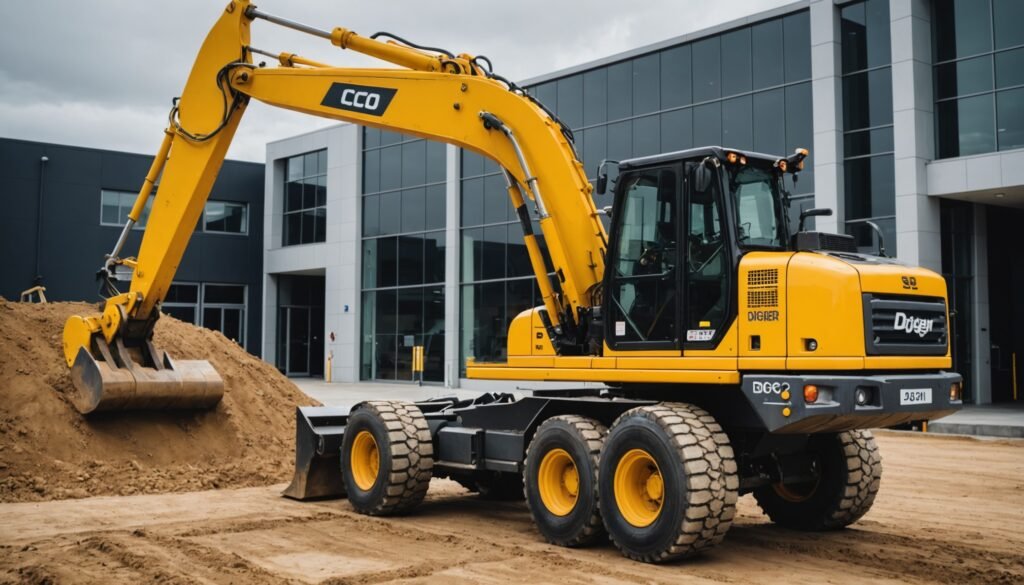
Underestimating excavation requirements is one of the costliest mistakes Auckland property owners make before breaking ground. Whether you’re installing drainage, building a retaining wall, or excavating for a pool, choosing the wrong digger size or overlooking site access constraints can add thousands to your project costs and days to your timeline.
Getting digger hire in Auckland right means understanding machine sizes, ground conditions, and what your site actually needs. From Auckland’s volcanic basalt to tight residential sections, this guide walks you through everything you need to know before you book — including costs, machine options, and the questions your hire company should be asking you.
- Match digger size to your project scope: Mini diggers (1.5-3T) handle residential work like trenching, pool excavation, and retaining walls, while larger machines tackle commercial earthworks and site preparation.
- Budget beyond the daily hire rate: Factor in delivery fees, operator costs, fuel, and attachment add-ons like rock breakers or augers — get a full quote upfront to avoid surprises.
- Assess site access and ground conditions: Auckland’s volcanic basalt and clay require proper planning for machine delivery and maneuverability; tight-access sites need compact equipment that fits through standard gateways.
- Check council consent requirements: Excavation work in Auckland often requires consent depending on project type, depth, and proximity to boundaries — your digger hire company should guide you through this.
Understanding Digger Hire: A Comprehensive Guide for Auckland Projects
When undertaking construction, landscaping, or earthworks projects in Auckland, selecting the right digger hire service can significantly impact your project’s efficiency and budget. Modern excavators range from compact mini diggers suitable for residential work to large hydraulic machines capable of handling major commercial earthworks. Understanding the capabilities and limitations of different digger sizes helps project managers and homeowners make informed decisions that align with their specific requirements.
Types of Excavators Available for Hire
The Auckland digger hire market offers diverse equipment categories designed for varying project scales. Mini diggers, typically weighing under 1.5 tonnes, excel in confined spaces such as backyard excavations, pool installations, and narrow access sites common in urban environments. These compact machines feature reduced tail swing, allowing operators to work within tight boundaries without damaging surrounding structures or landscaping.
Midi excavators in the 1.5 to 8-tonne range represent the most versatile category for general construction applications. These machines provide optimal balance between digging depth, bucket capacity, and site maneuverability. Standard excavators exceeding 10 tonnes deliver substantial power for major earthmoving operations, including bulk excavation, foundation digging for large structures, and demolition projects requiring significant material handling capabilities.
Key Factors Influencing Digger Selection
Ground conditions at your Auckland site play a critical role in determining appropriate equipment. Rocky terrain may require specialized attachments or heavier machines with enhanced hydraulic systems. Conversely, soft or waterlogged ground might necessitate wider track options that distribute machine weight more effectively and prevent excessive ground disturbance.
Access constraints frequently dictate equipment choices in Auckland’s residential neighborhoods. Measuring gate widths, checking overhead clearances beneath eaves or power lines, and assessing turning radius requirements prevents costly delays when equipment arrives on-site. Many homeowners discover that mini digger hire represents the only viable option when working in established properties with limited access points.
Operator Experience and Certification Requirements
Professional digger hire services in Auckland typically include qualified operators who hold appropriate certificates such as the New Zealand Certificate in Civil Infrastructure or equivalent qualifications. Experienced operators understand soil behavior, safe working loads, and proper techniques for minimizing site damage while maximizing productivity.
Cost Considerations and Project Planning
Hire rates vary based on machine size, hire duration, and included attachments. Daily rates generally offer better value for shorter projects, while weekly hire arrangements suit extended construction timelines. Additional costs may include transportation to and from the site, fuel consumption, and specialized attachments such as hydraulic hammers for rock breaking or tilt rotators for precision grading work.
Accurate project estimation prevents unnecessary hire extension costs. Consulting available digger information resources helps project managers develop realistic timelines based on soil type, dig depth requirements, and material disposal logistics. Experienced hire companies often provide site assessments that help customers select appropriate equipment and avoid over- or under-specified machinery.
Safety Standards and Compliance
New Zealand workplace safety regulations require appropriate measures when operating heavy machinery on construction sites. Reputable digger hire providers ensure their equipment undergoes regular maintenance inspections and meets relevant safety standards. Operators should conduct pre-operation checks including hydraulic system inspection, track tension verification, and safety feature confirmation before commencing work.
Site setup significantly impacts operational safety. Establishing clear exclusion zones, providing adequate signaling arrangements, and ensuring proper ground support for machine stability prevents accidents that could result in injuries, equipment damage, or project delays. Projects near existing structures require particular attention to underground service locations to avoid damaging utility lines or compromising structural foundations.
Maximizing Hire Value Through Proper Planning
Strategic project sequencing maximizes the value of every hire hour. Preparing the work area before equipment arrival, arranging material disposal in advance, and coordinating with other trades prevents downtime that adds to rental costs without advancing project progress. Many Auckland contractors report significant efficiency gains when using detailed work schedules that maximize productive digger utilization.
Post-project site restoration often requires additional equipment or manual work following bulk excavation. Planning for these requirements from project inception ensures realistic budgeting and prevents scope creep that strains project resources. Whether tackling a residential landscaping project or managing commercial earthworks, thoughtful planning transforms digger hire from an expense into a valuable investment in project success.
Conclusion
Choosing the right digger hire service in Auckland requires careful consideration of site conditions, access limitations, and project scope. Matching equipment specifications to your actual requirements prevents costly over-specification or frustrating underpowered performance. Professional operators, proper safety compliance, and transparent pricing structures distinguish reputable providers from less reliable alternatives.
Thorough planning and preparation maximize every hour of hire time, transforming equipment costs into productive outcomes. Whether managing a backyard transformation or large-scale earthworks, investing time in proper project sequencing delivers measurable returns through reduced downtime and efficient completion. Ready to start your Auckland project with confidence?