
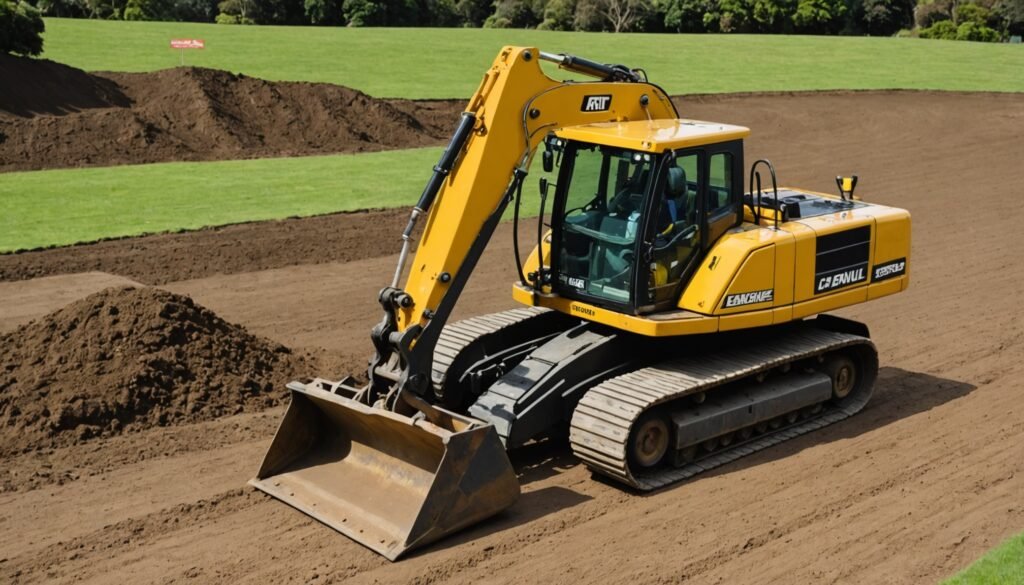
Did you know that improper site preparation is one of the leading causes of budget overruns and construction delays in Auckland? Every year, projects are derailed by issues that proper earthmoving planning could have prevented.
Auckland’s volcanic geology, variable clay conditions, and basalt rock formations make site preparation particularly challenging. From council consent requirements to choosing between operator-driven equipment and self-drive digger hire, the decisions you make during earthworks directly impact your project’s timeline and cost. Understanding the full scope of professional auckland earthmoving services helps you plan effectively, avoid costly surprises, and coordinate excavation with your broader construction timeline.
This guide covers everything you need to know about earthmoving services, equipment selection, and project coordination. Whether you’re preparing a residential section or commercial development, you’ll learn how to approach earthmoving contractors Auckland offers with confidence and clarity.
- Professional earthmoving covers the full project lifecycle: From initial site clearing and demolition through to final grading and backfilling, experienced Auckland contractors manage every stage to ensure your site is properly prepared for construction.
- Operator hire versus self-drive depends on project complexity: Simple, accessible sites may suit self-drive digger hire, but operator-driven services become essential when dealing with Auckland’s variable volcanic soil, basalt rock, or restricted access situations where experience prevents costly mistakes.
- Council consent is often required before excavation begins: Most earthworks exceeding certain thresholds or affecting drainage systems need council approval—factor consent timelines into your project schedule to avoid delays.
- Soil conditions directly impact excavation method and cost: Auckland’s volcanic geology, clay compositions, and subsurface variations require site-specific assessment to determine appropriate machinery, trenching techniques, and reinforcement requirements for retaining walls or foundations.
- Early coordination prevents construction delays: Integrating earthworks planning with your wider build timeline—rather than treating excavation as a separate stage—ensures proper sequencing of drainage, foundations, and site access throughout your project.
Smart Control Systems Transforming Earthmoving Operations
The earthmoving industry has undergone a significant transformation with the integration of advanced control systems into modern equipment. GPS-guided machine control has become a cornerstone of efficient earthmoving operations, allowing operators to achieve precise grading and excavation with minimal rework. These systems work by using real-time positioning data to guide equipment along designed specifications, reducing the need for traditional survey stakes and manual checking. According to industry reports, projects utilizing 3D machine control systems have demonstrated up to 40% reduction in material costs due to improved accuracy and reduced over-excavation.
Modern diggers now feature integrated display systems that provide operators with comprehensive information about machine performance, bucket position, and terrain characteristics. This technology enables less experienced operators to achieve results that previously required years of training, addressing the skilled labor shortage that has affected the construction sector. The feedback systems also protect equipment from potential damage by alerting operators to potentially hazardous conditions before they cause issues.
Fleet Management Through Telematics
Telematics technology has revolutionized how companies monitor and manage their earthmoving fleets. Remote tracking systems provide real-time data on equipment location, fuel consumption, engine performance, and operational hours. This information enables fleet managers to optimize equipment deployment across job sites, ensuring that machinery is being utilized efficiently rather than sitting idle. Studies indicate that proper telematics implementation can improve fleet utilization rates by 15-20%.
The diagnostic capabilities of modern telematics systems have also transformed preventive maintenance schedules. Instead of relying on fixed service intervals, operators can monitor actual equipment wear and schedule maintenance based on real condition data. This approach prevents unnecessary servicing while ensuring that critical components are addressed before failure occurs. For companies offering digger hire in Auckland, this technology helps minimize downtime and ensures reliable equipment availability for customers.
Sustainable Practices in Modern Earthmoving
Environmental considerations have become increasingly important in earthmoving projects, driving innovation in equipment design and operational practices. Modern diesel engines meet stringent emissions standards while delivering improved fuel efficiency compared to previous generations. Hybrid and electric equipment options are emerging for smaller-scale applications, offering reduced operating costs and zero direct emissions on job sites.
Effective site management practices also contribute to sustainability goals. Proper planning of haul routes, optimized loading procedures, and strategic equipment positioning minimize unnecessary travel and fuel consumption. Many contractors now incorporate recycled materials into earthwork projects, reducing the demand for virgin resources while providing cost savings. These approaches align with broader construction industry goals of reducing environmental impact while maintaining project profitability.
Equipment Selection and Application Optimization
Choosing the right equipment for specific site conditions significantly impacts project outcomes. Soil type, moisture content, access constraints, and project scale all influence optimal equipment selection. Understanding these factors helps prevent costly mistakes such as bringing oversized machinery that cannot navigate tight spaces or underpowered equipment that struggles with challenging ground conditions. Professional earth moving services include proper site assessment to ensure appropriate equipment deployment.
Attachment versatility has expanded the capabilities of modern earthmoving equipment. Quick-hitch systems allow rapid changes between buckets, breakers, augers, and other specialized tools, enabling a single machine to perform multiple functions throughout a project. This flexibility reduces the need for additional equipment while improving workflow efficiency. Operators can adapt to changing site requirements without waiting for specialized equipment to arrive, keeping projects on schedule.
Operational Efficiency and Productivity
Productivity in earthmoving operations depends on minimizing non-productive time while maximizing effective work cycles. Loading efficiency, cycle times, and haul route optimization all contribute to overall project throughput. Experienced operators understand how to read ground conditions and adjust techniques accordingly, avoiding situations where equipment becomes stuck or works inefficiently in unsuitable conditions.
Communication systems between equipment operators, site supervisors, and dispatch personnel have improved coordination significantly. Real-time information sharing helps prevent conflicts between simultaneous operations while ensuring that resources are directed where they provide the greatest benefit. This integrated approach to site management represents a fundamental shift from traditional isolated working methods toward collaborative operational models.
Maintenance Practices for Reliability
Preventive maintenance schedules based on actual operating hours rather than calendar time help ensure equipment reliability throughout demanding projects. Daily inspection routines catch potential issues before they develop into major problems, while regular servicing maintains optimal performance levels. Cleanliness during operation and storage also affects equipment longevity, particularly in dusty or muddy conditions common on earthmoving sites.
Documentation of maintenance activities creates a valuable record for tracking equipment condition over time and planning future replacements. Modern equipment management systems automate much of this record-keeping, generating service alerts and maintaining comprehensive maintenance histories. This systematic approach to equipment care minimizes unexpected breakdowns and extends the productive life of valuable machinery.
The integration of smart control systems, telematics, and sustainable practices has fundamentally reshaped earthmoving operations, delivering unprecedented improvements in accuracy, efficiency, and environmental responsibility. These technologies address long-standing challenges including skilled labor shortages, equipment maintenance, and fleet optimization while supporting the industry’s evolution toward more sustainable practices.
Companies investing in modern equipment and comprehensive earth moving services position themselves for continued success in an increasingly competitive market. Explore available solutions to bring your projects into the modern era of construction technology.